


Ground penetrating radar (GPR) scanning
We see what you can't.
GPR scanning maps what's hiding in your concrete — rebar, post-tension cables, conduit, voids — so every cut and core is planned, not guessed. It's the first step on every NoCo job.
- Rebar located
- Conduit located
- Post-tension cable located
- Slab thickness mapped

GPR Scanning
Marked before we cut
What we find
- Rebar and wire mesh — spacing, depth and orientation
- Post-tension cables — the highest-risk target, mapped and flagged
- Conduit and utilities — electrical, data and plumbing embedded in the pour
- Voids and delamination — hollows under slabs and behind walls
- Slab thickness — so cores and cuts go to the right depth
Why we scan
Without a scan. With a scan.


What GPR scanning is
Ground penetrating radar sends a high-frequency pulse into the concrete and reads the reflections that come back from anything denser or different than the slab itself. Steel reinforcing, post-tension cable, electrical conduit, plastic pipe and air voids each return a distinct signature. We push the antenna across the surface in a grid, watch the profile in real time, and mark the slab with the exact location and approximate depth of every target before anyone starts a saw or a drill.
Why we scan first
Cutting into an unmarked slab is a gamble. Hit a post-tension cable and you can release stored energy with enough force to injure a crew and compromise the structure. Hit a conduit and you can take a building's power or data down. Hit rebar you didn't plan for and the cut slows, the blade wears, and the schedule slips. A scan takes a fraction of the time a repair does, and it turns every downstream cut into a known quantity.
Where it's used
Before core drilling for plumbing, electrical and HVAC penetrations. Before wall sawing new door, window and duct openings. Before flat sawing trenches and removals in occupied buildings. Before anchor installation in elevated slabs and parking structures. Anywhere a hit is expensive.
How a scan day works
- You tell us what you're cutting and where.
- We scan the area in a grid and mark findings directly on the concrete.
- We review the layout with you, adjust the cut plan if a target is in the way, and only then bring in the saw or drill. Most scans are completed the same visit as the cut.
Limits, honestly
GPR is a detection tool, not X-ray vision. Depth accuracy varies with the concrete's moisture and density, and very small or very deep objects can be missed. We tell you what we're confident in and what we're not, and we cut accordingly.
Every job starts with a scan
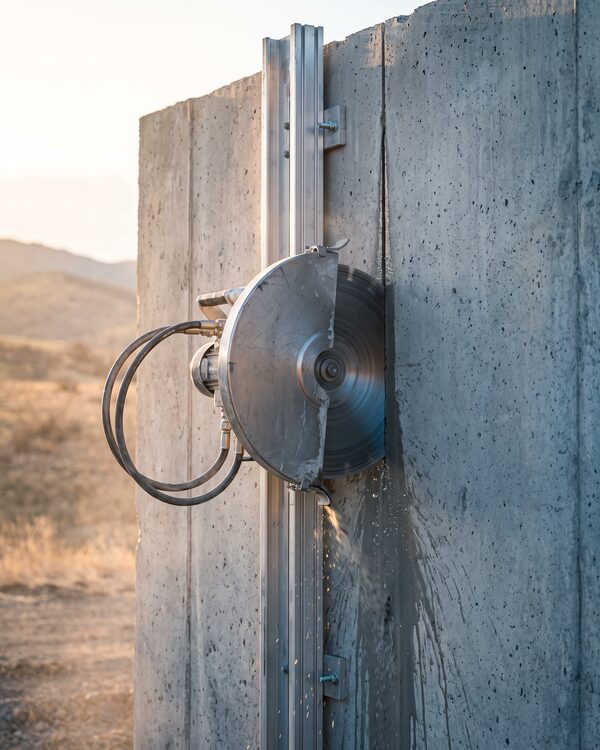
Every NoCo job starts the same way. We scan the slab or wall with ground penetrating radar to map rebar, post-tension cables, conduit and voids. Then we choose the right tool — a track-mounted wall saw for openings, a rig-mounted core drill for round penetrations, a walk-behind flat saw for slabs and pavement — and cut once, straight and to depth. When we open something up, our pour-back service can close it again with concrete matched to the surrounding grade and finish.
Who we work for
General contractors and builders who need openings cut on schedule. Plumbers, electricians and HVAC contractors who need clean penetrations without collateral damage. Property owners and managers modifying an existing building. Homeowners adding a basement window or a new door. Municipal and commercial crews cutting roads and slabs. Residential or commercial, one hole or a whole floor — the standard is the same.
Where we work
Fort Collins, Loveland, Greeley, Windsor, Longmont, Denver and the surrounding Northern Colorado communities, plus projects across Wyoming. If you're not sure you're in range, ask — we travel for the right job.
Ask us about door and window openings, HVAC and plumbing penetrations, stair and elevator openings, expansion joints, trenching for utilities, slab removals and pour backs.
Planning your job
Planning your job.
The questions to settle before the crew arrives — so the day runs clean.
- Scan documentationWhat you receive after a GPR scan — details coming soon.
- Slurry & debrisHow cutting slurry and debris are handled — details coming soon.
- Removal & haul-offWhether removal and haul-off are included — details coming soon.
- Access, water & powerWhat the crew needs on site — details coming soon.
Not sure yet? Ask when you request a quote.
Common questions
Answers before you call.
Do you scan every job?
Yes. Scanning is part of how we cut, not an add-on.
Can you scan without cutting?
Yes — contractors hire us to scan ahead of their own anchors, cores or demolition.
How do you mark the results?
Directly on the slab or wall, with a legend, and we walk you through it before we cut.
Other services
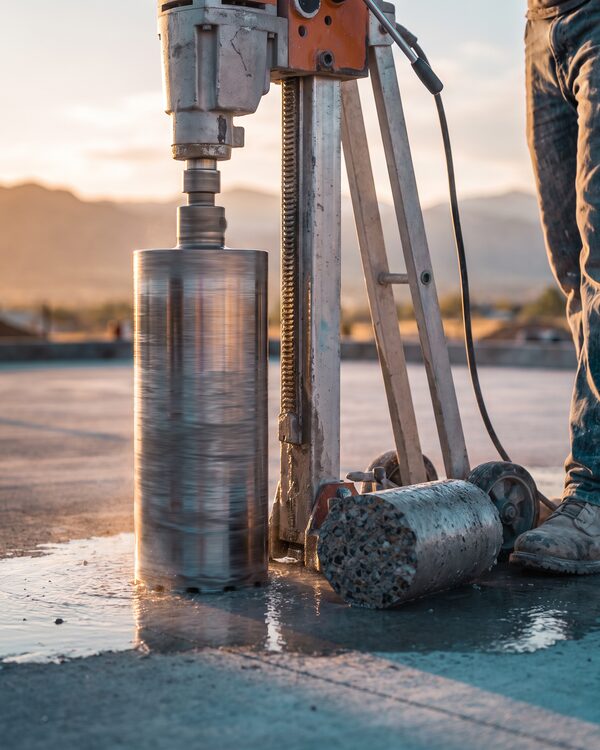
Core Drilling
Clean, accurate core drilling for plumbing, electrical, mechanical systems and more.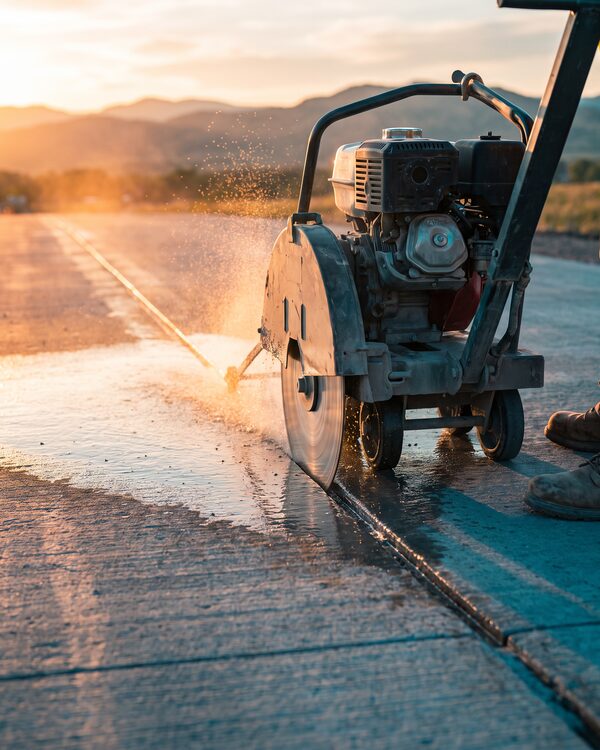
Flat Sawing
Efficient flat sawing for roads, slabs and large surface areas with minimal disruption.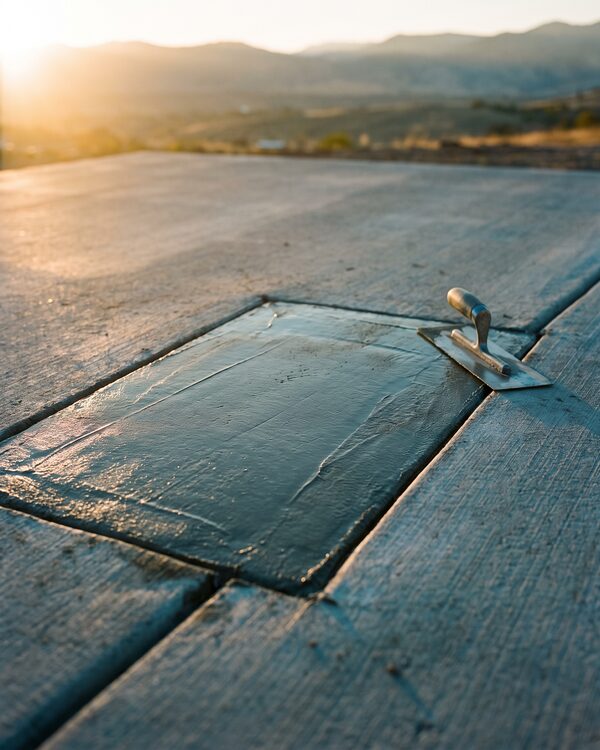
Pour Backs
After the cut, we make it whole: openings and trenches restored with concrete matched to grade and finish.


Ready to see what's under the surface?
Tell us what you're working on and we'll put together a clear, upfront quote — no surprises.
cut scan solve repeat